Best Pet Grooming Glove: How to Choose the Right One
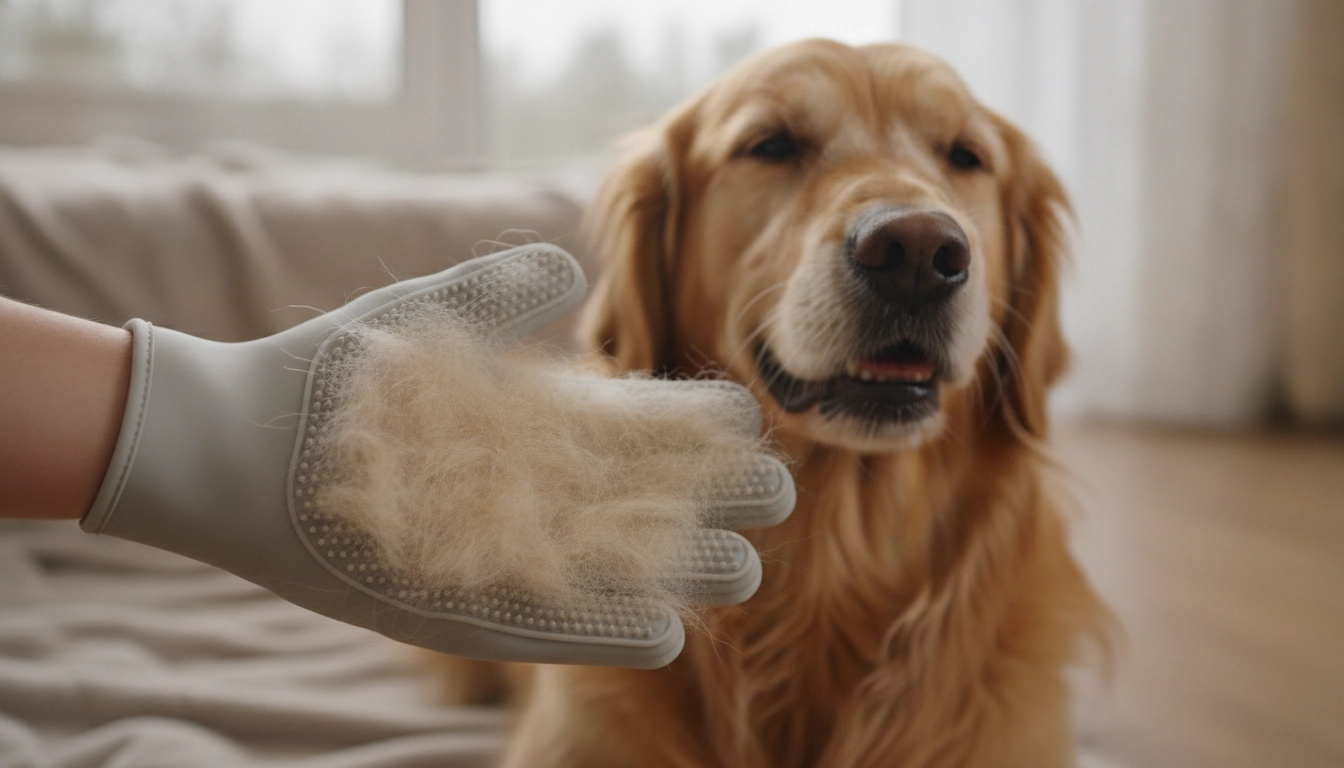
What is the best pet grooming glove?
The best pet grooming glove is the one that matches your pet’s coat type, stays secure on your hand, and pulls loose fur efficiently without scratching skin. For most households, a flexible silicone glove with soft, rounded tips is the safest all-around pick because it mimics petting while lifting shed hair from the topcoat.
How to choose the right grooming glove
Start with your pet’s coat. Short-haired pets usually do best with tighter, shorter silicone tips that grab fine shed. Medium and long coats often benefit from slightly longer nubs and a glove that has enough structure to guide hair into clumps instead of smearing it around. If your pet has a very dense undercoat, a glove works best as a “finish tool” after a dedicated deshedding brush.
Fit matters as much as the bristles. Look for an adjustable wrist strap so the glove doesn’t twist while you groom around shoulders, hips, and tail. A breathable mesh back helps keep your hand cool during longer sessions, and a well-placed palm pad ensures consistent contact without needing extra pressure.
Features that separate a great glove from an average one
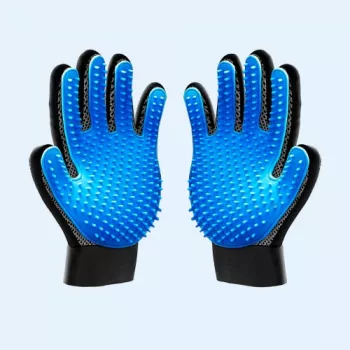
A strong grooming glove should remove hair quickly, then release it just as easily. A larger silicone pad with evenly spaced tips tends to collect fur in peelable sheets, which makes cleanup simpler. Durable stitching around the fingers and wrist prevents blowouts, and a non-slip interior helps the glove stay planted even if your pet is wiggly.
For pets sensitive to grooming, prioritize softer tips and a more flexible palm. That combination reduces tugging and helps nervous cats or dogs accept grooming as gentle handling.
Get the top picks and details
For specific recommendations, comparisons, and what to buy for different coat types, visit the main guide: What is the best pet grooming glove?
FAQ
How do you clean a pet grooming glove?
Peel off the collected fur first, then rinse the silicone side under warm water with a small amount of mild soap. Let it air-dry completely before the next use to prevent odor and mildew.









Leave a comment