Waist Leashes for Dogs: Pros, Cons & Safety Tips
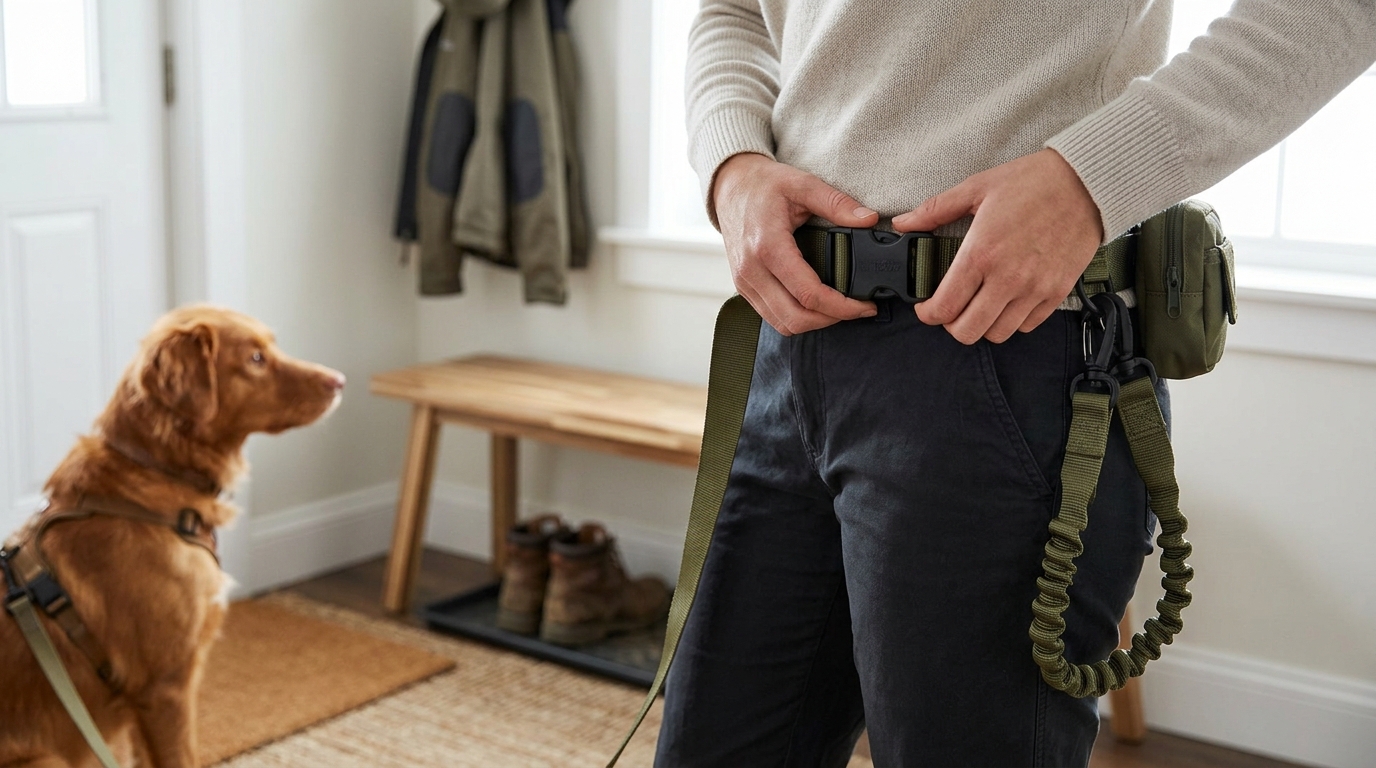
Is a waist leash good for dogs?
A waist leash can be a great option for many dogs because it keeps the handler’s hands free while maintaining steady, consistent control. When used correctly, it can make walks, hikes, and runs smoother—especially with dogs that already have basic leash manners and respond well to cues.
Why a waist leash can work well
Because the leash connects to your waist, your dog’s pull is distributed through your core instead of your wrist or shoulder. That can reduce arm strain and help you stay balanced on longer outings. Many waist-leash setups also include a bungee section that softens sudden lunges, which can be more comfortable for both you and your dog.
When it may not be the best choice
If a dog is a strong puller, reactive, or still learning leash skills, a waist leash can feel harder to “manage” because you can’t quickly change grip positions. There’s also a higher chance of getting twisted if your dog circles behind you. In these cases, a standard handheld leash (or structured training with a professional) may be a safer starting point until walking skills improve.
Safety tips for using a waist leash
Use a well-fitted harness for your dog to reduce neck strain, and choose a waist belt that sits securely and doesn’t slide up. Start in a low-distraction area, keep the leash short enough to prevent tangling, and practice turns and stops so your dog learns to stay near your side. If you run, avoid busy sidewalks at first and confirm the belt has a quick-release feature.
For a deeper breakdown of pros, cons, and what to look for, visit the full guide: https://cooltrendshelf.shop/is-a-waist-leash-good-for-dogs/.
FAQ
Can a hands-free leash help with training loose-leash walking?
It can support loose-leash walking by encouraging a steady pace and consistent positioning, but it won’t replace training. Pair it with rewards and clear cues, and start in calm environments before adding distractions.








Leave a comment