Pet Travel Essentials Checklist: Road Trip Ready
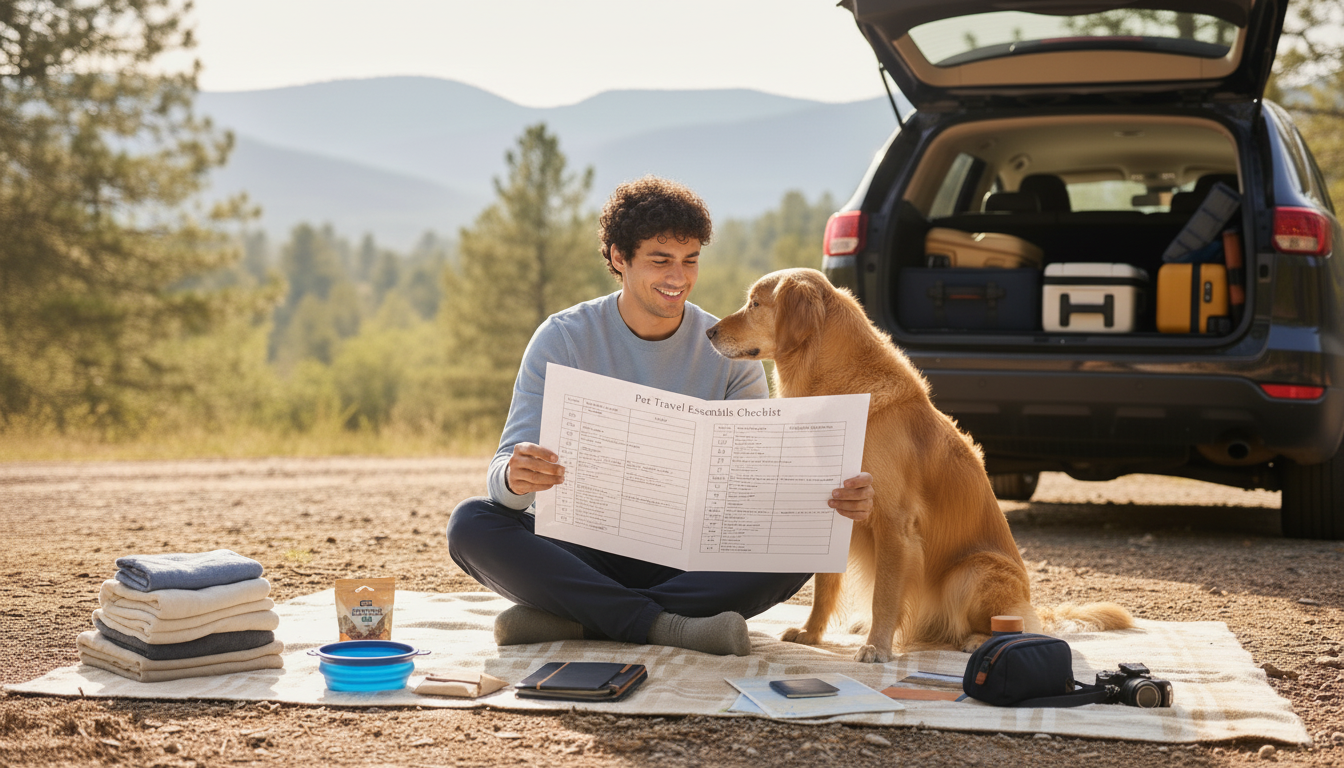
Pet Travel Essentials Checklist for Safe Trips (Dogs & Cats)
Stress-free travel with pets comes down to preparation: health paperwork, safe restraint, familiar routines, and a packing plan that covers food, hydration, comfort, and emergencies. Use the sections below to build a reliable checklist for road trips and vacations with dogs or cats—then keep it where you can actually use it (glovebox, suitcase pocket, and phone).
Start With Trip Basics: Where, How Long, and How the Pet Will Travel
Before you buy a single travel-size item, lock in the logistics. A strong plan prevents last-minute detours that create stress for you and your pet.
- Confirm destination rules: Check pet-friendly lodging policies, local leash laws, breed restrictions, and any required deposits. For cross-border or special-entry rules, review guidance from USDA APHIS.
- Estimate real travel time: Set realistic daily driving limits and add buffer time for breaks, feeding, and unexpected traffic.
- Choose the safest setup: Aim for a crash-tested carrier/crate when possible, a secured harness/seat-belt attachment for dogs, and a stable travel kennel for cats.
- Plan temperature management: Never leave pets in a parked car; bring window shades, ventilation options, and a simple “too hot/too cold” decision rule.
- Create an emergency plan: Share an itinerary and save addresses for vet clinics along your route (including a 24/7 option near overnight stops).
Health, Identification, and Documents to Pack
Health prep is the foundation of safe travel—especially for seniors, pets with chronic conditions, or animals that haven’t traveled recently.
- Schedule a pre-trip vet check if your pet is senior, has ongoing conditions, or gets carsick/anxious.
- Carry proof of rabies vaccination and any required health certificate for certain facilities or travel situations. If you’re entering the U.S. with a dog, consult the latest requirements at CDC: Traveling with Pets.
- Bring copies of prescriptions, flea/tick/heartworm details, and a recent photo of your pet for quick identification.
- Update ID tags with a current phone number and confirm microchip registration details (many shelters and clinics can scan chips).
- Ask about motion/anxiety support ahead of time. Avoid starting new medications on travel day unless your veterinarian specifically instructs you to do so.
Safety Essentials for the Car (Road Trips)
In-car safety is about two things: preventing injury in sudden stops and preventing escapes at busy, unfamiliar stops.
- Restraint every ride: Use a carrier/crate anchored to the vehicle or a properly fitted harness with a seat-belt tether.
- Contain the mess fast: Pack pet-safe wipes, paper towels, enzyme cleaner, trash bags, and an extra leash.
- Escape-proof your routine: Put a leash on before doors open. Cats travel best in a closed carrier, even during quick breaks.
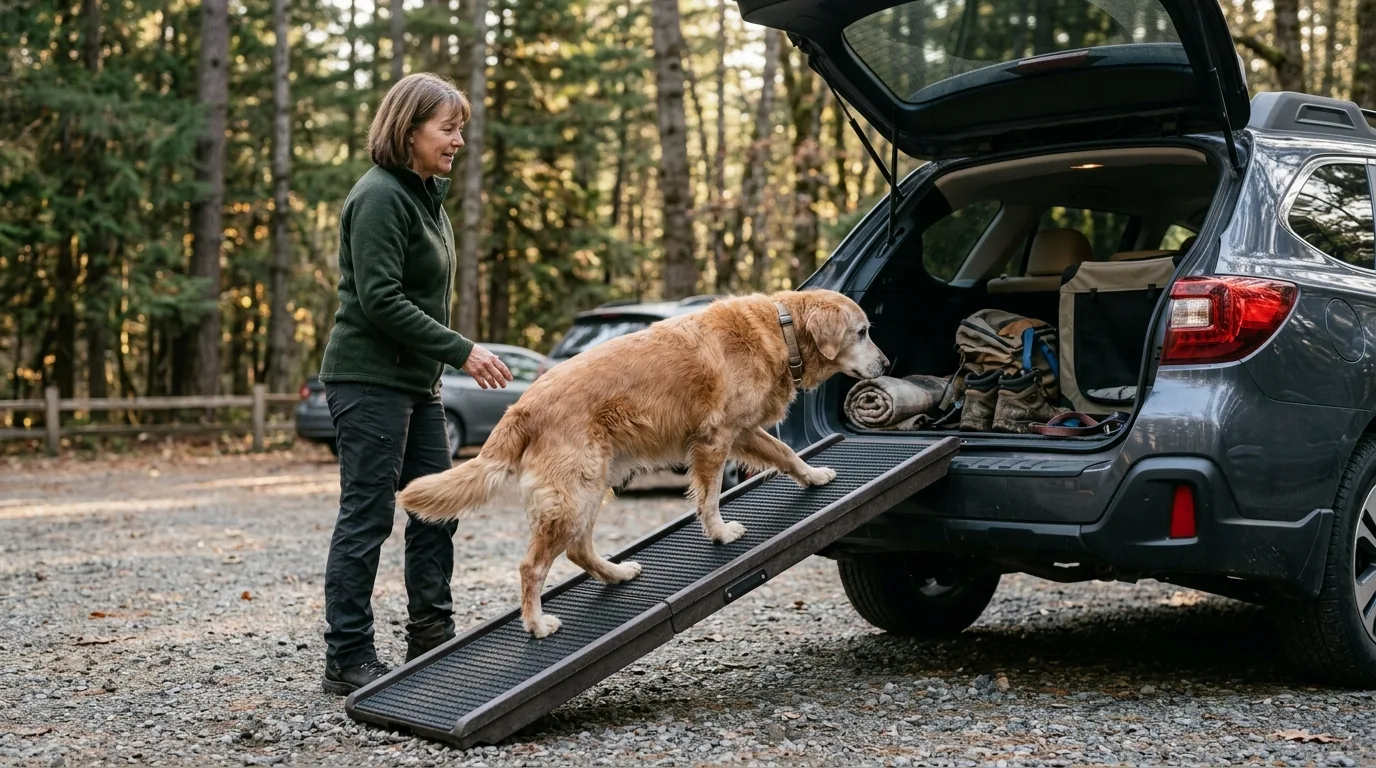
- Set up a stable comfort zone: Add a blanket and seat protection, and position your pet away from airbags.
- Plan breaks with the pet in mind: Dogs typically do well with stops every 2–3 hours; many cats prefer fewer disruptions with a calm, covered carrier.
Quick Packing List by Category
| Category | Must-Pack Items | Nice-to-Have Upgrades |
|---|---|---|
| Documents & ID | Rabies certificate, microchip info, recent photo, vet contact list | Digital copies in phone cloud, pet travel tag with QR code |
| Food & Water | Enough food for trip + 2 extra days, bowls, bottled water | Collapsible bowl set, measured portions in zip bags |
| Safety & Containment | Leash, harness, carrier/crate, seat-belt tether | Crash-tested crate, reflective gear |
| Hygiene | Waste bags/litter supplies, wipes, towels, enzyme cleaner | Portable litter box, grooming brush |
| Comfort | Blanket/bed, favorite toy, carrier cover (cats) | Calming spray (vet-approved), portable fan |
| First Aid | Bandage materials, antiseptic wipes, tweezers, meds | Digital thermometer, tick remover tool |
Food, Water, and Feeding Routine on the Go
Travel is not the moment for a diet change. Consistency keeps stomachs settled and routines predictable.
- Pack the regular diet and bring extra in case of delays (a simple “two extra days” rule prevents scrambles).
- Keep feeding times consistent; avoid a full meal right before a long drive to reduce nausea.
- Prioritize hydration: Offer small amounts of water at regular breaks. In dry climates or hot weather, increase water opportunities.
- Stick to familiar treats for reassurance and training, and avoid new foods on travel days.
- Store food airtight with a scoop and a measuring plan so “vacation math” doesn’t turn into overfeeding.
Comfort and Stress Reduction for Dogs and Cats
Emergency Kit and What to Do If Something Goes Wrong
Emergencies feel less overwhelming when the basics are already planned. For general travel safety guidance, see American Veterinary Medical Association: Traveling with Your Pet.
Printable Planning: One Page for Packing, One Page for the Day-Of
If you want a ready-to-use layout you can print and reuse, consider the Printable Pet Travel Essentials Checklist and Planner.
Common Packing Mistakes to Avoid
To protect your vehicle and make cleanup easier after sandy paws, shedding, or rainy-day stops, a dedicated seat protector helps—see the Front & Back Seat Car Seat Covers Set.
FAQ
What should be in a pet travel essentials checklist for a road trip?
Include documents/ID, a safe restraint (carrier/crate or harness tether), food and water with bowls, hygiene cleanup supplies, comfort items, and a compact first-aid plus medication kit. Add a quick day-of checklist so nothing critical gets missed when you’re rushing out the door.
How often should dogs and cats take breaks during car travel?
Dogs typically benefit from breaks every 2–3 hours for a leashed potty opportunity and water. Many cats do better with fewer stops and a secure carrier setup, offering water in calm, quiet moments.
Is it safe to give pets medication for travel anxiety or motion sickness?
It can be safe only with veterinary guidance and ideally after a trial on a non-travel day to confirm tolerance. Never give human medications unless they’re explicitly prescribed for your pet.











Leave a comment