Front & Back Car Seat Cover Set: Fit, Safety, Comfort
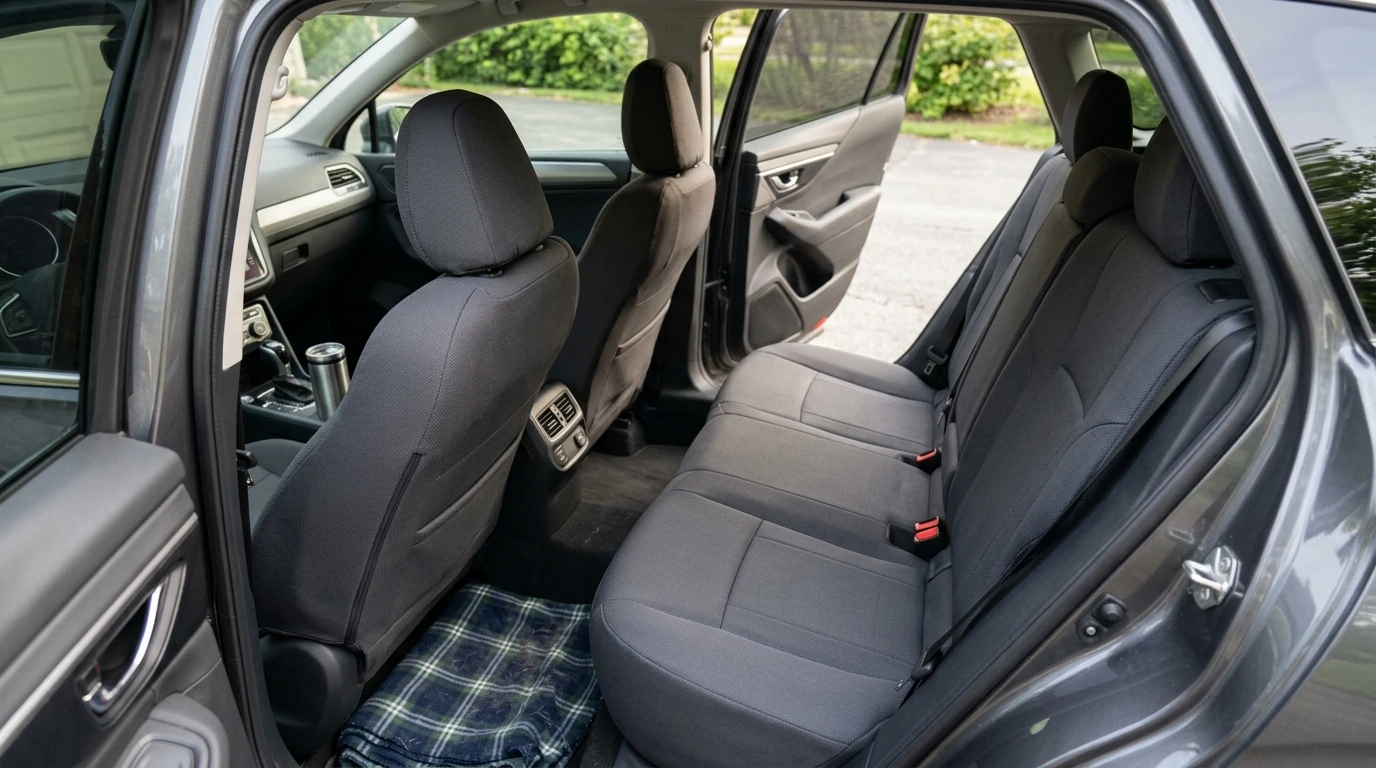
Front & Back Seat Car Seat Covers Set: Cleaner Seats, Better Comfort, Everyday Protection
A full set of seat covers can keep a vehicle looking newer for longer—shielding upholstery from spills, pet hair, sun fade, scuffs, and daily wear. A matched front-and-back set also helps the interior look more uniform, so the cabin feels tidier even when life gets busy. Below is what a complete set typically protects, what’s included, how to confirm fit with your seats and safety features, and how to keep the covers snug and comfortable over time.
What a Full Front-and-Back Set Protects Against
Seat covers do more than “hide” older upholstery. They take the daily hit so your original seats don’t have to.
- Daily friction and abrasion: Getting in and out rubs bolsters and edges, especially on the driver’s seat.
- Spills and stains: Coffee, sports drinks, sweat, sunscreen, and muddy clothing can discolor fabric and mark leather or leatherette.
- Pet mess: Hair collects in seams, and claws can leave scuffs that are hard to repair.
- Sun exposure: UV can dry out and fade original material over time, particularly on the top surfaces.
- Scuffs from gear: Bags, tools, strollers, and sports equipment can leave light impact marks and abrasion.
What’s Typically Included in a Front & Back Seat Covers Set
While exact layouts vary by brand and vehicle, most sets aim to cover both rows with coordinated pieces that install without permanently altering the seats.
- Front seat covers: Usually a driver and passenger cover, often with separate pieces for seat back and seat bottom for a tighter wrap.
- Rear bench coverage: Options may include one-piece bench coverage or split sections designed for 60/40 or 40/20/40 folding layouts.
- Headrest covers: Common when headrests are removable; fit can be trickier with integrated headrests.
- Attachment system: Straps, hooks, elastic edges, and anchor inserts (the “tuck tabs” that slide into seat creases).
- Access points: Openings or seams for seat belts, buckles, and latch points (details vary, so always confirm before ordering).
Fit Checklist Before Buying
Fit determines comfort, appearance, and daily usability. Before choosing a set, confirm the basics: seat shape, headrests, rear split, and safety-related access points.
- Seat type: Bucket vs. bench; confirm if the rear is a single bench or split-folding.
- Headrest design: Removable headrests typically allow a cleaner install; integrated headrests may need a cover designed specifically for them.
- Armrests and pass-throughs: Center armrests, cupholder fold-downs, and ski pass-throughs may require zippers or dedicated cutouts.
- Seat belt layout: Buckles and shoulder belt paths should stay clear and easy to reach.
- Latch access: Child-seat LATCH/ISOFIX anchors should remain reachable if you use car seats.
- Side airbags: If your vehicle has seat-mounted side airbags, confirm the covers are specifically labeled compatible and designed to allow deployment. For background on airbag systems, see the NHTSA air bags resource.
- Heated/ventilated seats: Thick, non-breathable materials can reduce airflow; prioritize breathable options if ventilation matters.
Quick Fit Check (Measure and Confirm)
| What to check | Why it matters | What to look for |
|---|---|---|
| Rear seat split (60/40, 40/20/40, or solid bench) | Determines whether seats can still fold independently | Split-compatible design with separate sections or zippers |
| Headrest style (removable or fixed) | Affects how tightly the cover can wrap and anchor | Headrest covers sized for your headrests or a workaround for fixed styles |
| Seat-mounted side airbags | Improper covers can interfere with deployment | Airbag-compatible stitching and a clear “side airbag” indicator |
| Buckle and belt access | Blocked buckles reduce safety and usability | Pre-cut openings or well-placed slots that stay aligned |
| Seat contours and bolsters | Loose fit can slide and bunch over time | Elastic edges, hooks, and anchors to keep corners tight |
Material and Comfort: What Changes Day-to-Day
Material choice affects how the seat feels on a commute, on a road trip, and after a hot afternoon parked outside.
Installation Tips for a Tighter, Safer Fit
Care and Cleaning for Long-Lasting Coverage
- Vacuum routinely: Grit acts like sandpaper over time and can abrade both covers and the upholstery underneath.
- Spot clean fast: Sugary drinks and dairy can sour quickly and leave lingering odors if ignored.
- Follow the care label: Wipe-only, hand-wash, and machine-wash sets all behave differently; the wrong method can warp or shrink material.
- Air dry completely: Trapped moisture can create mildew smells, especially in humid climates.
- Keep child-seat areas tidy: If you regularly install car seats, maintain clear access to belts and anchors; for safety guidance, reference the CDC child passenger safety page.
When a Full Set Makes the Most Sense
Product Options Available
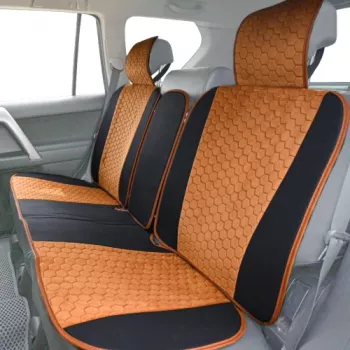
- Front & Back Seat Car Seat Covers Set — A single set designed to protect high-contact front seats and keep the rear cleaner for passengers, kids, or pets. Confirm your rear split, headrest style, and any seat-mounted airbags before ordering.
- Contemporary Metal Ginkgo Leaf Wall Decor — A simple add-on for a garage, entryway, or mudroom wall when you’re refreshing the “everyday spaces” that take the most wear.
FAQ
Will seat covers work with side airbags?
Only if the covers are specifically marked as compatible with seat-mounted side airbags and designed with proper seams. Avoid any cover that blocks airbag panels or lacks clear airbag labeling.
Do seat covers block child-seat LATCH/ISOFIX anchors?
Some sets include openings or make it easy to reach the anchors, while others can make access difficult. After installation, confirm you can reach LATCH points and that belts and buckles are not obstructed.
How can covers be kept from sliding around?
Use every strap, hook, and anchor insert provided, then tighten again after a few days as the material settles. Center the covers carefully and keep straps routed around seat contours without interfering with seat rails.








Leave a comment