Child Car Booster Seat Guide: Belt Fit & Comfort Tips
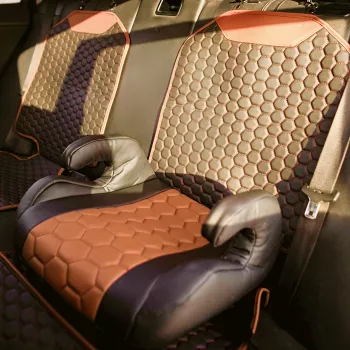
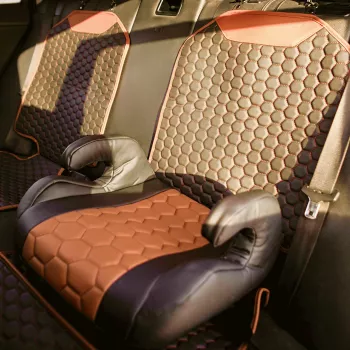
Child Car Booster Seat: Comfort, Fit, and Everyday Safety for Growing Kids
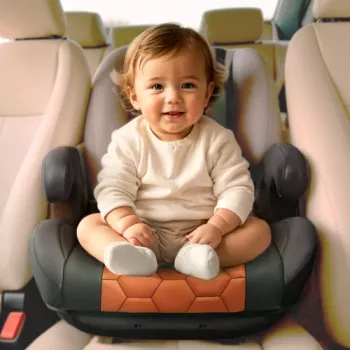
A booster seat helps a vehicle’s seat belt fit a child correctly, supporting safer rides and better comfort on daily trips and longer drives. The best match depends on a child’s size, the type of belt in the car, and practical details like head support, armrests, and ease of cleaning. When the belt sits where it should—and stays there—kids are more likely to ride calmly, resist slouching, and remain properly positioned even when they doze off.
What a Booster Seat Does (and Why Belt Fit Matters)
A booster seat doesn’t replace your vehicle’s seat belt—it improves how that belt fits a growing child. Without a booster, many kids are tempted to slide forward so their knees bend, which can pull the lap belt up onto the stomach and shift the shoulder belt toward the neck.
- Positions the lap belt low across the hips and upper thighs, not the stomach.
- Keeps the shoulder belt crossing the center of the chest and shoulder, not the neck or face.
- Reduces slouching by improving sitting posture and offering defined seating boundaries.
- Helps kids stay properly positioned for the full ride, including during naps.
- Works best when paired with a child ready to sit upright without leaning or unbuckling.
For broader safety guidance and stage-by-stage recommendations, consult resources like NHTSA’s car seat and booster seat information and the American Academy of Pediatrics family guidance.
Types of Booster Seats and When Each Makes Sense
Not every booster works the same way in every car. Vehicle head restraints, belt geometry, and where your child sits most often can make one style a better day-to-day fit than another.
- High-back boosters: useful when a vehicle seat lacks head support to the top of a child’s ears; often adds side support for sleeping kids.
- Backless boosters: compact and portable; typically best when the vehicle provides adequate head restraint and good belt geometry.
- Combination seats (harness-to-booster): start with a harness and later convert to booster mode (helpful for families planning one longer-term seat).
- Belt-positioning boosters: designed specifically to improve belt fit; always use with lap-and-shoulder belts, not lap-only belts.
Quick comparison: booster styles
| Type | Best for | Watch-outs |
|---|---|---|
| High-back booster | Cars with low seat backs; kids who sleep in the car | Check headrest/guide height range and shoulder-belt routing |
| Backless booster | Travel and carpools; cars with strong head restraints | Needs good vehicle head support; may need a shoulder-belt adjuster clip if included |
| Combination (harness-to-booster) | One-seat plan across stages | Heavier/bulkier; confirm booster mode belt fit in your vehicle |
Fit Checks in Your Car: A Practical Walkthrough
A booster that looks perfect online still needs to pass real-life checks in your own back seat. Plan a quick “practice buckle” before a longer trip so you can adjust calmly and confirm the belt stays routed correctly when your child moves.
- Confirm the child sits all the way back with knees bending naturally at the seat edge (reduces slouching).
- Verify lap belt placement stays low on the hips; re-check after the child moves or changes clothing layers.
- Ensure shoulder belt remains on the shoulder and chest; if it touches the neck, adjust guides or try a different seating position.
- If using a high-back model, set head support so the belt guide aligns smoothly without pulling the belt away from the body.
- Use the vehicle manual and the seat manual together for allowed seating positions, belt locking behavior, and headrest requirements.
If you want an extra layer of confidence, the IIHS child safety tips are a helpful reference for everyday decisions like seating location and belt use.
Comfort and Daily Usability Features That Matter
Comfort isn’t just a “nice to have.” When kids are comfortable, they’re less likely to twist, lean, or put the shoulder belt behind their back—habits that can ruin a good belt fit.
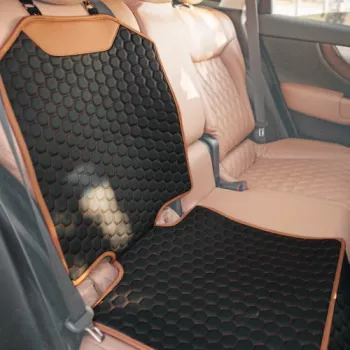
To help protect your interior from everyday messes—crumbs, muddy shoes, and drink spills—pairing a booster routine with durable seat protection can make cleanup faster. Consider adding a Front & Back Seat Car Seat Covers Set to help keep family vehicles looking fresh during carpools and road trips.
Installation, Placement, and Common Mistakes
When to Move On From a Booster
A Practical Option to Consider
If you’re looking for a dedicated booster seat, review product sizing guidance and vehicle compatibility notes before purchase, then do a short test ride to confirm the belt stays in place during normal movement and naps. You can explore the Child Car Booster Seat as an everyday option designed to help improve belt fit and ride comfort.
FAQ
What is the difference between a high-back booster and a backless booster?
A high-back booster adds head/neck support and built-in belt guides, which can help when your vehicle seat back or head restraint doesn’t reach the top of your child’s ears. A backless booster is more compact and works best when the vehicle already provides adequate head support and the shoulder belt naturally aligns well.
Can a booster seat be used with a lap-only seat belt?
Most boosters are designed for lap-and-shoulder belts and should not be used with a lap-only belt. Always check both the booster manual and your vehicle manual, because incorrect belt configurations can defeat the purpose of using a booster.
How can a parent tell if the seat belt fits correctly with a booster?
Look for a lap belt that stays low on the hips/upper thighs and a shoulder belt that crosses the center of the chest and sits on the shoulder (not the neck). Your child should be able to sit all the way back without slouching and keep that position for the entire ride.








Leave a comment